Knowledge base
📐 Advanced Mathematics
Notes filed under 📐 Advanced Mathematics.
Subfolders
3 foldersNotes in this folder
📐 Advanced Mathematics / random-process
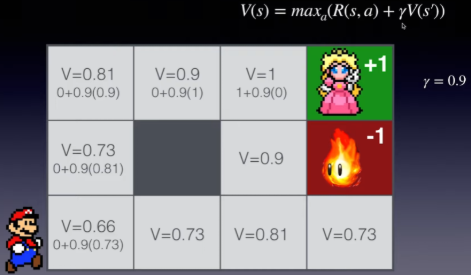
4. Markov-decision-process
A Markov decision process formalizes sequential decision making with states, actions, rewards and transition probabilities. Use it to set up value and policy iteration, and as the base model that reinforcement learning methods optimize.
📐 Advanced Mathematics / optimum-theories
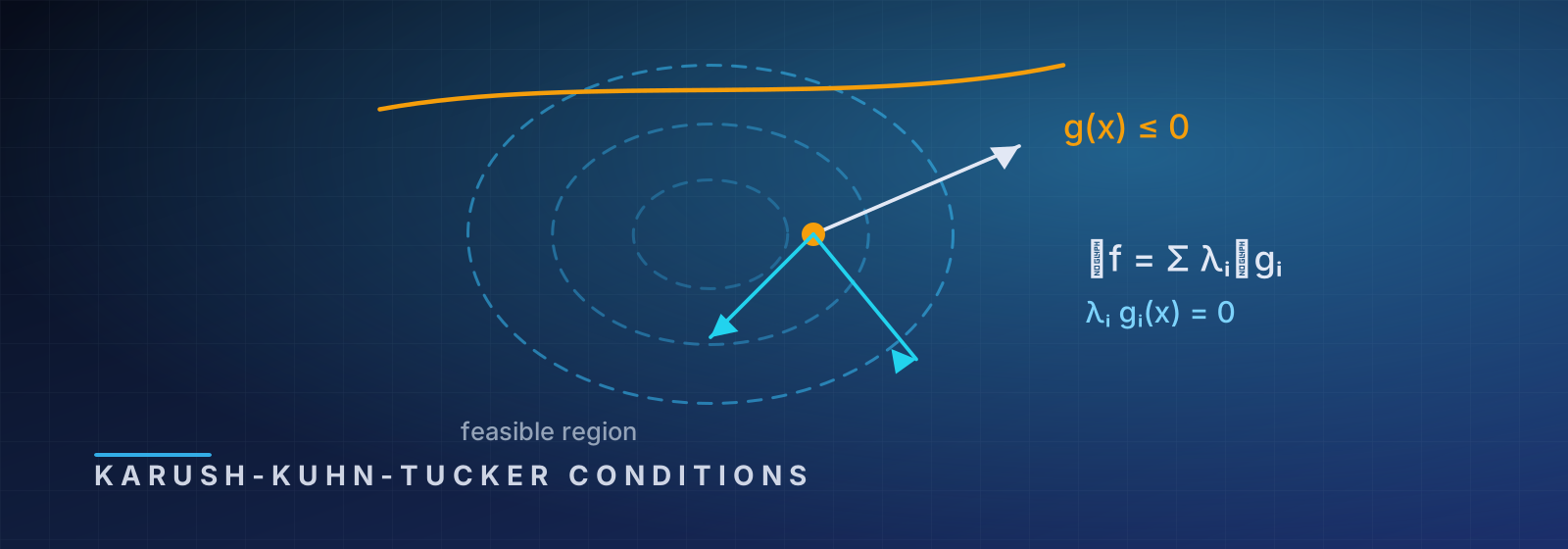
1. Karush–Kuhn–Tucker (KKT) conditions
The KKT conditions turn a constrained optimization problem into stationarity, feasibility and complementary-slackness equations. Use them to test whether a candidate point can be optimal, and to derive closed-form solutions for constrained learning problems.
📐 Advanced Mathematics / random-process
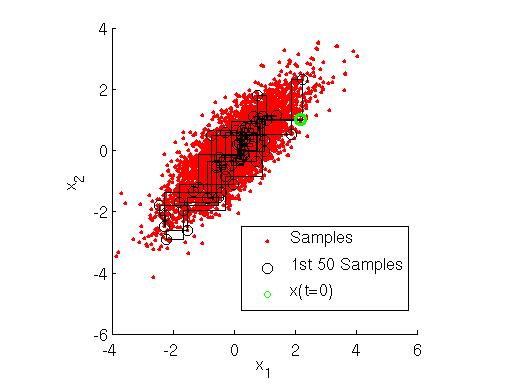
3. Markov Chain & Markov Sampling
A Markov chain describes memoryless state transitions, and Markov-chain Monte-Carlo turns such a chain into a sampler for a distribution known only up to a constant. Use Metropolis-Hastings or Gibbs sampling when direct sampling from the target is impossible.
📐 Advanced Mathematics / random-process
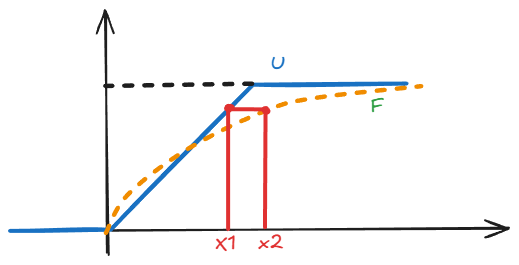
2. Monte-Carlo Sampling and Importance Sampling
Monte-Carlo estimates an expectation by averaging samples, while importance sampling reweights samples from a proposal distribution to cut the variance. Use them when the integral has no closed form, and as the sampling intuition behind MCMC and variational methods.
📐 Advanced Mathematics / optimum-theories
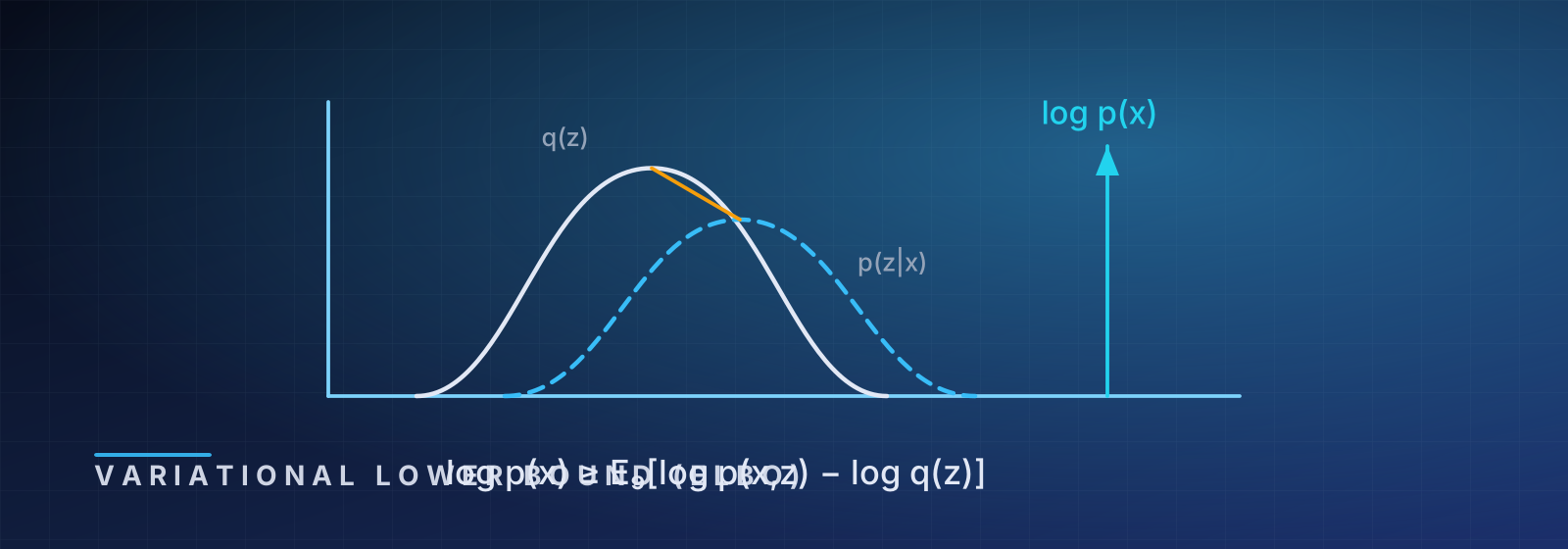
3. Variational Lower Bound (VLB)
The variational lower bound (VLB), also called the evidence lower bound (ELBO), is a tractable lower bound on a latent-variable model's log evidence. Use it when exact posterior inference or marginal-likelihood evaluation is intractable.
📐 Advanced Mathematics / optimum-theories
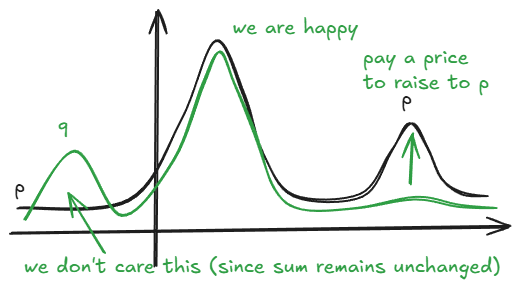
2. Kullback-Leibler divergence
The KL divergence evaluates the difference of two different distributions, It's often a powerful tool for make two distributions coincide in the training of deep-learning neural networks.
📐 Advanced Mathematics / combinatorics
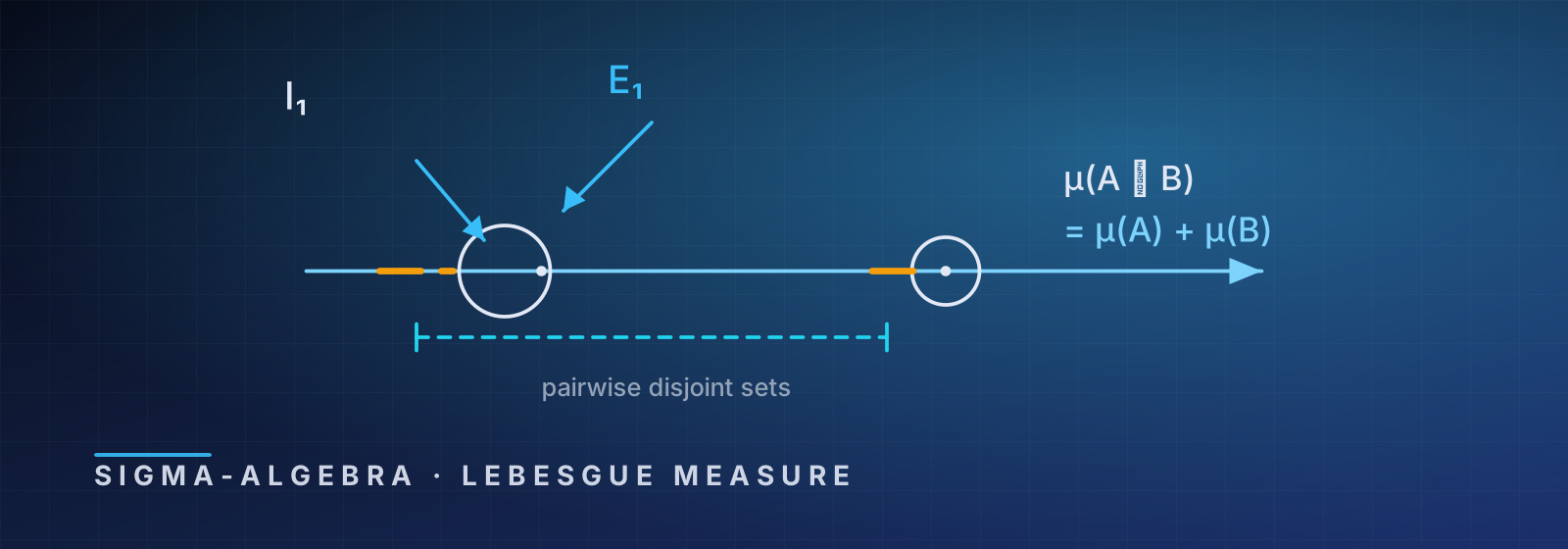
1. Sigma-algebra and Lebesgue measure
A sigma-algebra is the collection of sets a measure is allowed to touch, and the Lebesgue measure extends length to almost every subset of the real line. Use them as the foundation before measure-theoretic probability, integration and Monte-Carlo arguments.
📐 Advanced Mathematics / random-process
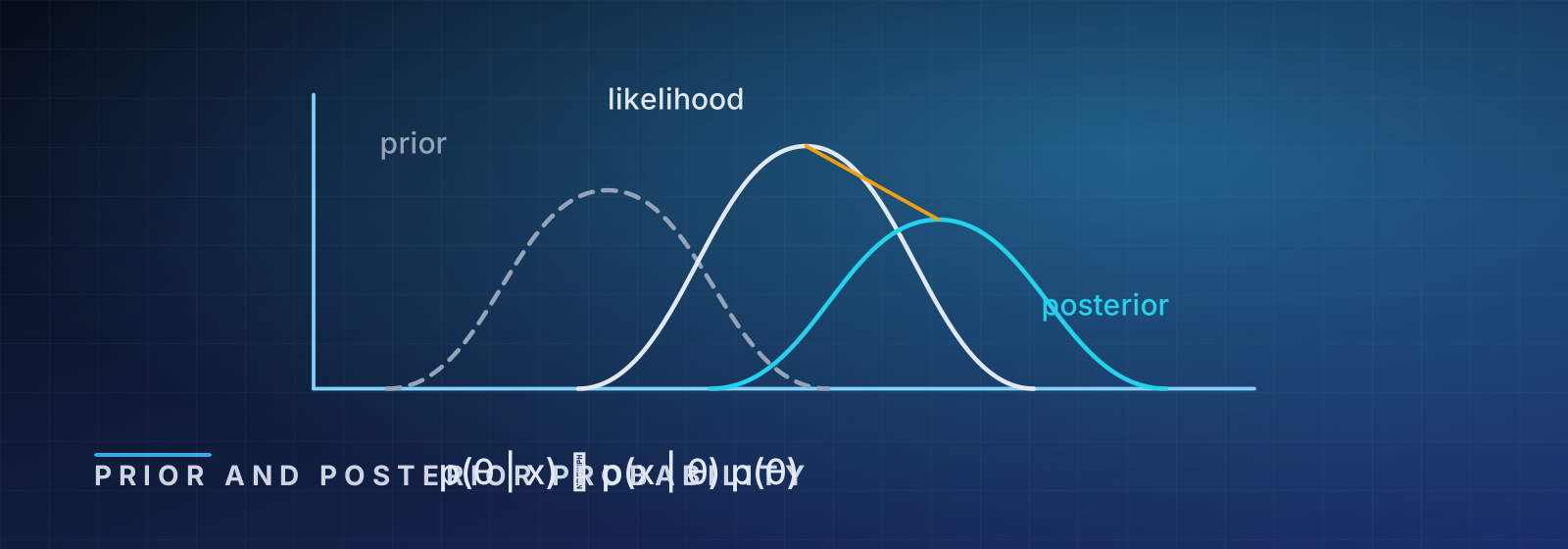
1. Summary for basics of probability theory-Prior and Posterior Probability
Prior, likelihood and posterior describe how a belief about a hidden parameter is updated by observed data. Use this summary as the reference for Bayes rule before moving on to sampling, Markov chains and variational inference.