Knowledge base
Tags
Every tag used across the knowledge base.
Tags
All tags ›All notes
🧑🔬Mechanics / 🧊 Basics of Finite Element Method
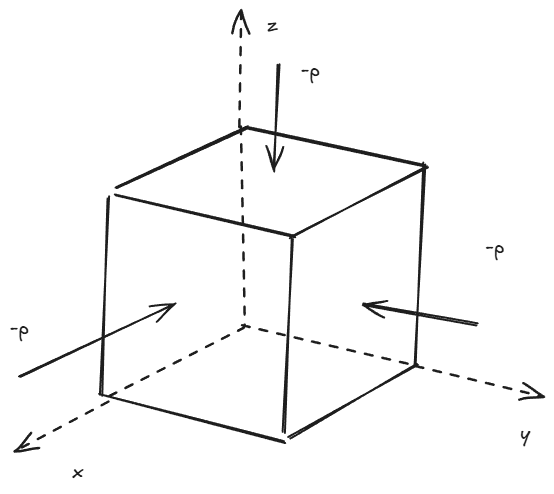
2. Strong and Weak Form of Linear Elasticity Equivalence
The weak (variational) form follows from the strong equilibrium equations by testing with virtual displacements and integrating by parts. Use it as the blueprint of a finite-element implementation: it fixes the trial and test spaces, the bilinear form and the Neumann terms.
🧑🔬Mechanics / 🧊 Basics of Finite Element Method
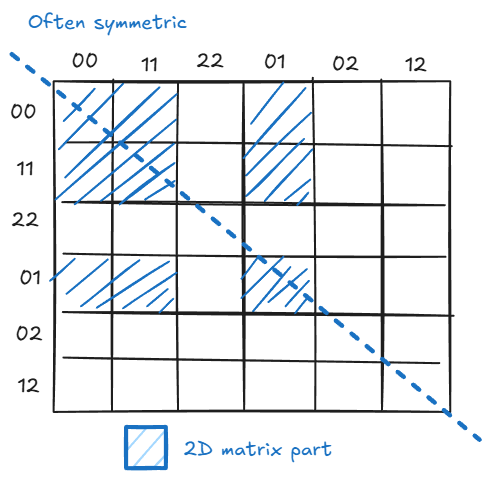
1. Symmetric Stiffness Tensor and Voigt notation
Voigt notation packs symmetric stress and strain tensors into six-component vectors, so the elasticity tensor becomes a symmetric 6x6 matrix. Use it to read, write and implement constitutive laws compactly, including their FEniCSx form.
📐 Advanced Mathematics / random-process
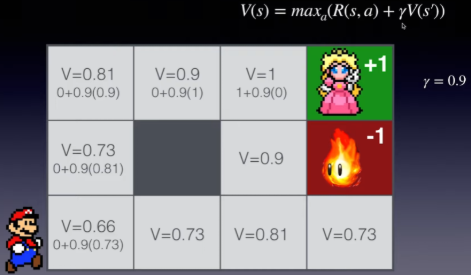
4. Markov-decision-process
A Markov decision process formalizes sequential decision making with states, actions, rewards and transition probabilities. Use it to set up value and policy iteration, and as the base model that reinforcement learning methods optimize.
📐 Advanced Mathematics / optimum-theories
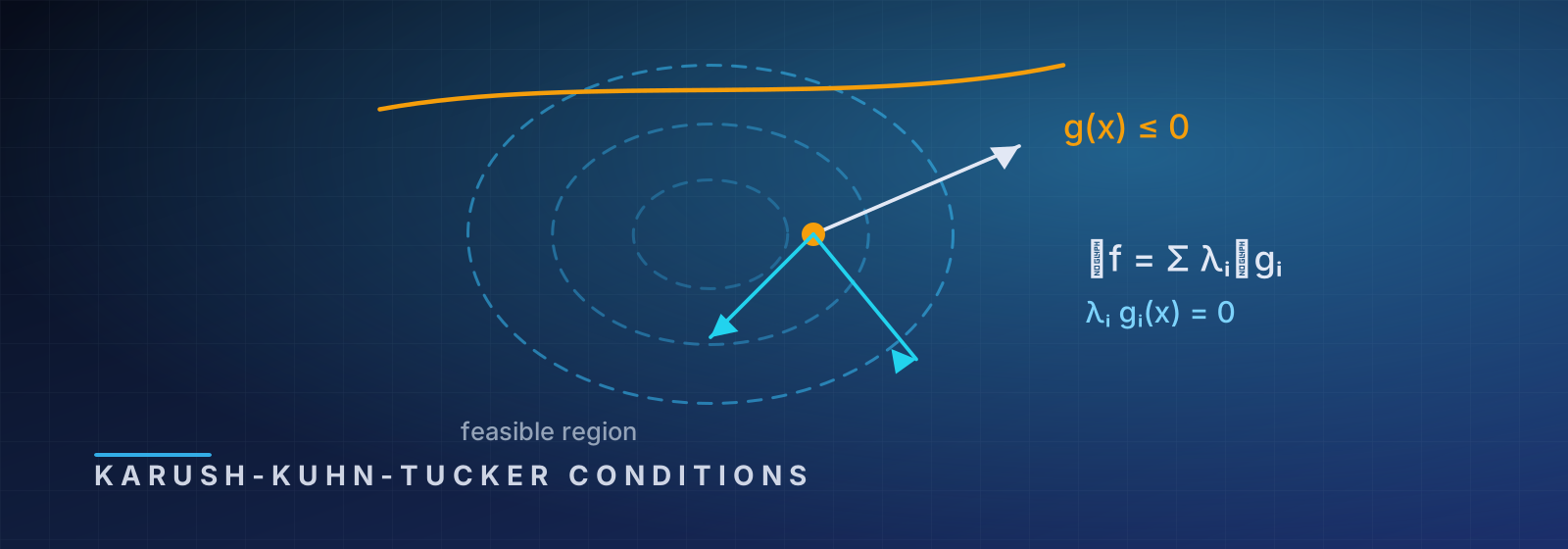
1. Karush–Kuhn–Tucker (KKT) conditions
The KKT conditions turn a constrained optimization problem into stationarity, feasibility and complementary-slackness equations. Use them to test whether a candidate point can be optimal, and to derive closed-form solutions for constrained learning problems.
👨🚒 Applied Mechanics and Enginerring / 🏑 Topology Optimization
1. Design of Metamaterials using Topology Optimization
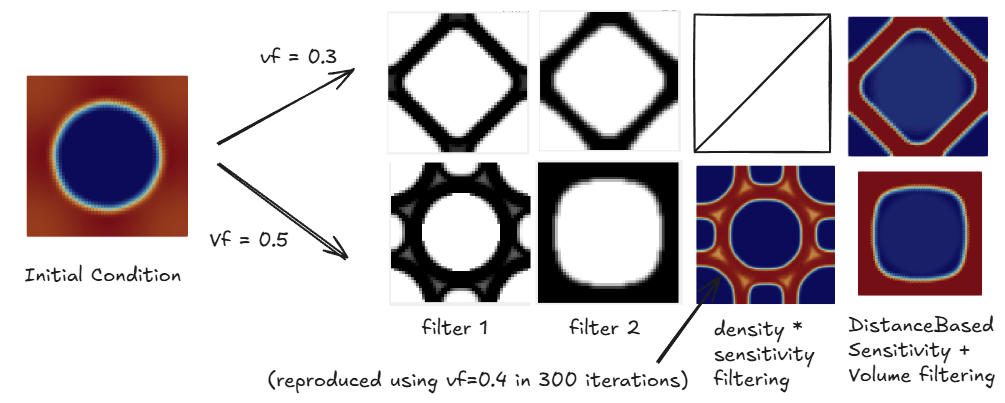
Property-based topology optimization designs a microstructure whose homogenized stiffness matches a target tensor. Use it to synthesize metamaterial unit cells with SIMP, filters and sensitivity weighting, then to verify the result with a full-scale finite-element model.
🍿 CS Algorithms
KMP algorithm for sub-sequence-search
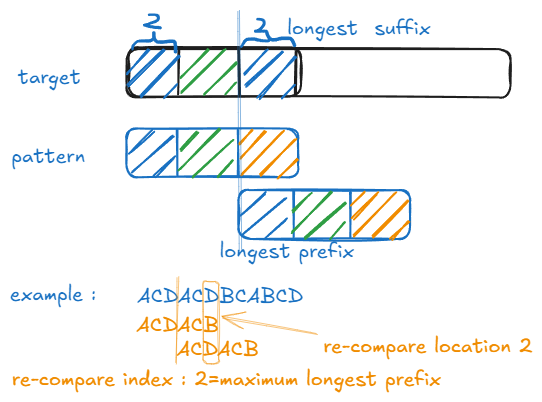
KMP (Knuth-Morris-Pratt) matches a pattern inside a longer text in linear time by reusing the longest proper prefix-suffix overlap, so the scan never backtracks. Here it locates a section's exact line range inside a long note, which is what Equation Citator needs for embedded previews.
🧑🔬Mechanics / 🧊 Basics of Finite Element Method
3. Definition of Common Mechanical Modulus
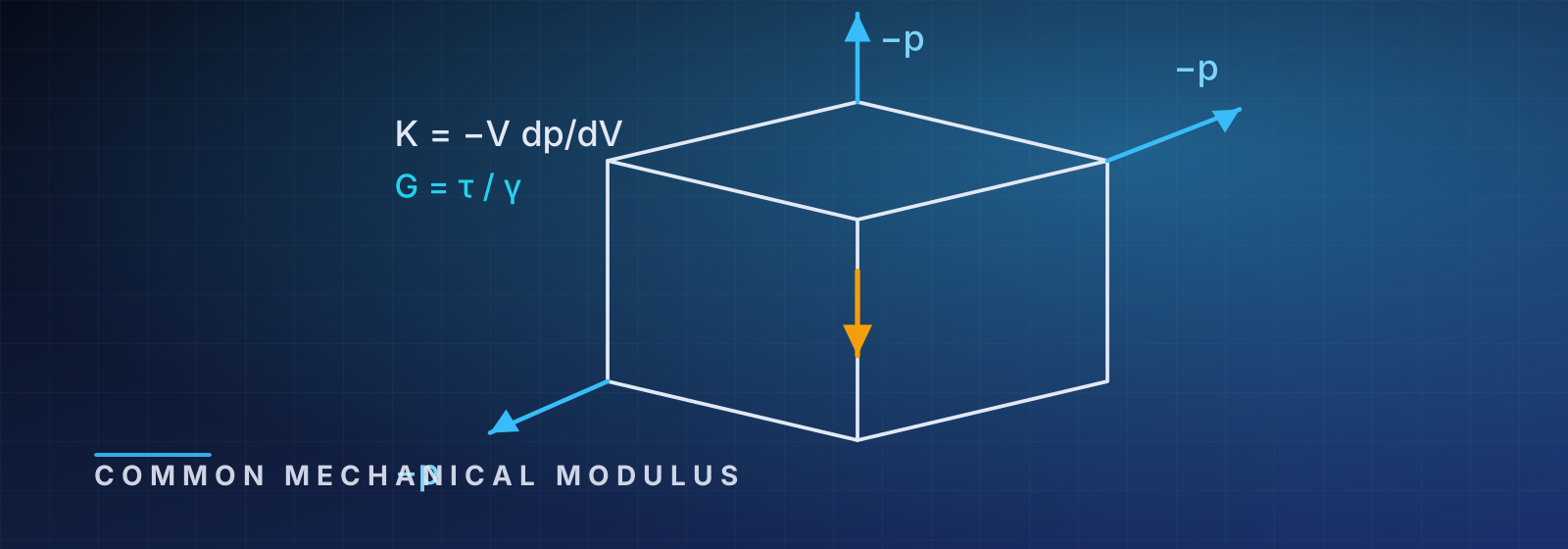
Bulk modulus, shear modulus, Young's modulus and Poisson's ratio are the handful of constants that connect stress and strain in linear elasticity. Use this page to define and convert between them when feeding material data into a simulation.
📖 DeepLearning Theories / Reinforcement Learning
1. Trust Region Policy Optimization (TRPO)
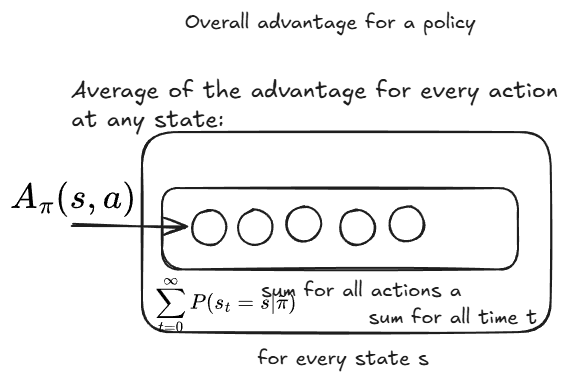
TRPO improves a policy monotonically by maximizing a surrogate advantage inside a trust region measured with KL divergence. Use it when policy-gradient updates must stay stable, and as the reference that later methods such as PPO simplify.
📐 Advanced Mathematics / random-process
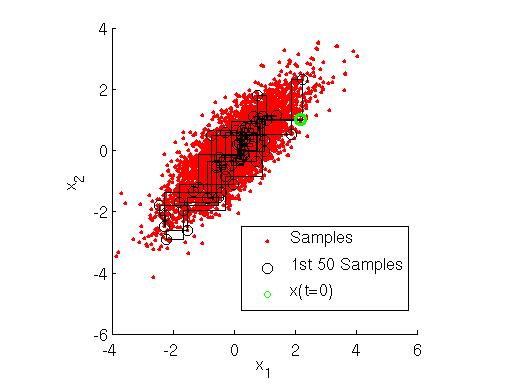
3. Markov Chain & Markov Sampling
A Markov chain describes memoryless state transitions, and Markov-chain Monte-Carlo turns such a chain into a sampler for a distribution known only up to a constant. Use Metropolis-Hastings or Gibbs sampling when direct sampling from the target is impossible.
📐 Advanced Mathematics / random-process
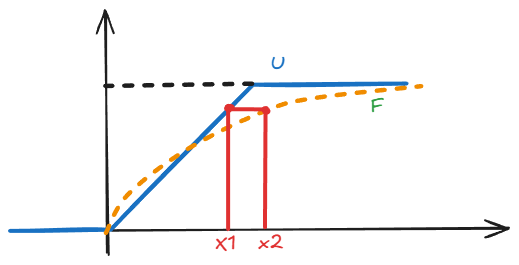
2. Monte-Carlo Sampling and Importance Sampling
Monte-Carlo estimates an expectation by averaging samples, while importance sampling reweights samples from a proposal distribution to cut the variance. Use them when the integral has no closed form, and as the sampling intuition behind MCMC and variational methods.
📐 Advanced Mathematics / optimum-theories
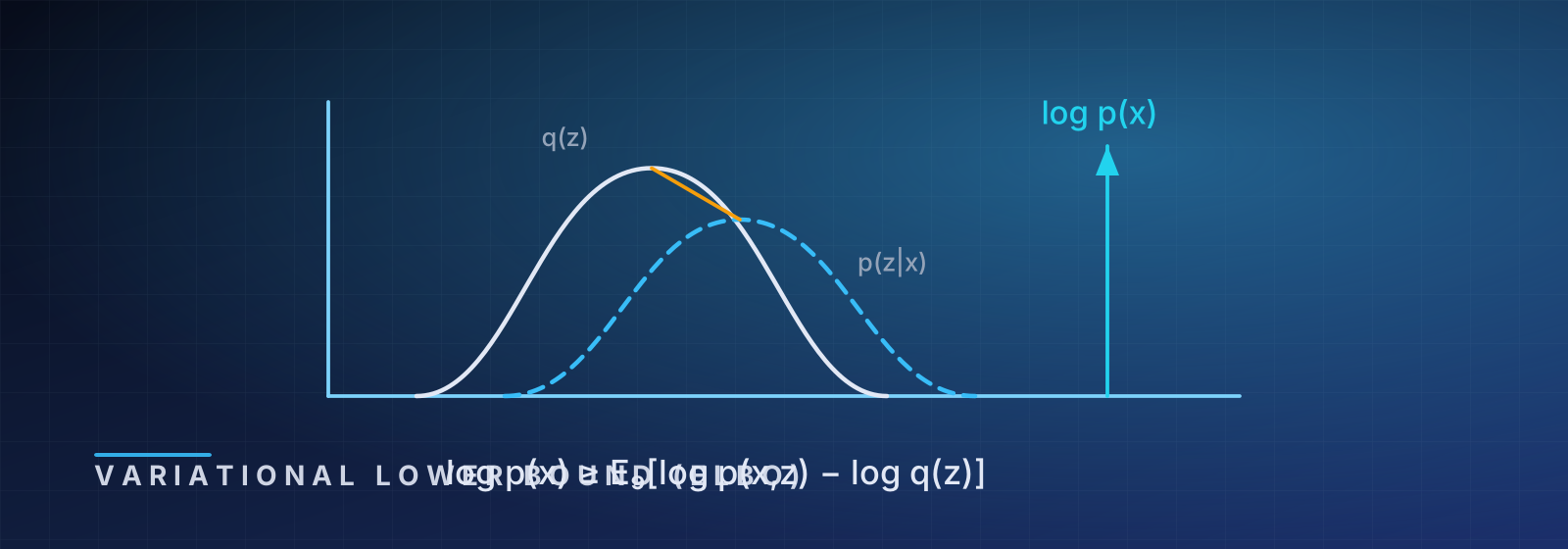
3. Variational Lower Bound (VLB)
The variational lower bound (VLB), also called the evidence lower bound (ELBO), is a tractable lower bound on a latent-variable model's log evidence. Use it when exact posterior inference or marginal-likelihood evaluation is intractable.
📐 Advanced Mathematics / optimum-theories
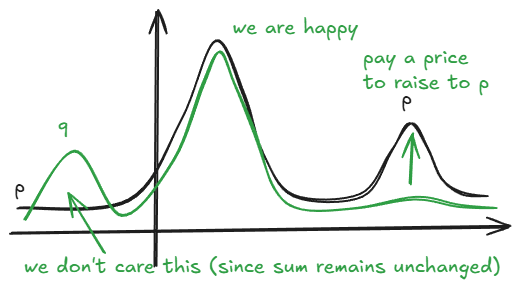
2. Kullback-Leibler divergence
The KL divergence evaluates the difference of two different distributions, It's often a powerful tool for make two distributions coincide in the training of deep-learning neural networks.
📐 Advanced Mathematics / combinatorics
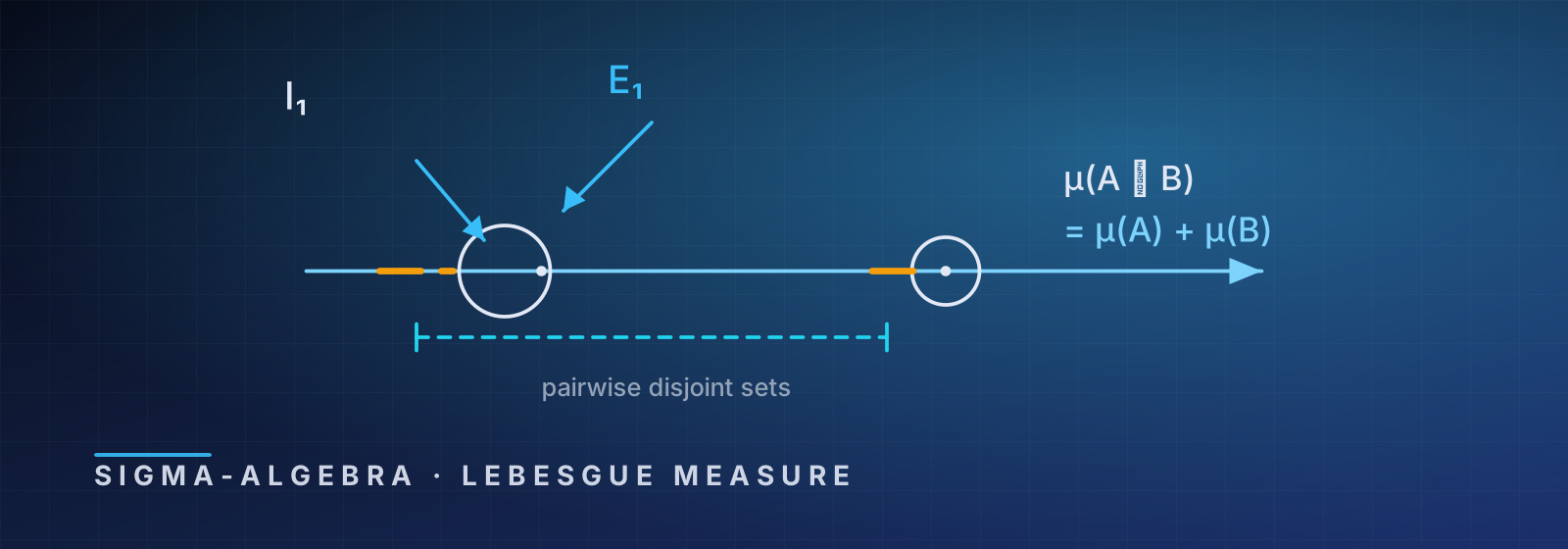
1. Sigma-algebra and Lebesgue measure
A sigma-algebra is the collection of sets a measure is allowed to touch, and the Lebesgue measure extends length to almost every subset of the real line. Use them as the foundation before measure-theoretic probability, integration and Monte-Carlo arguments.
🍿 CS Algorithms
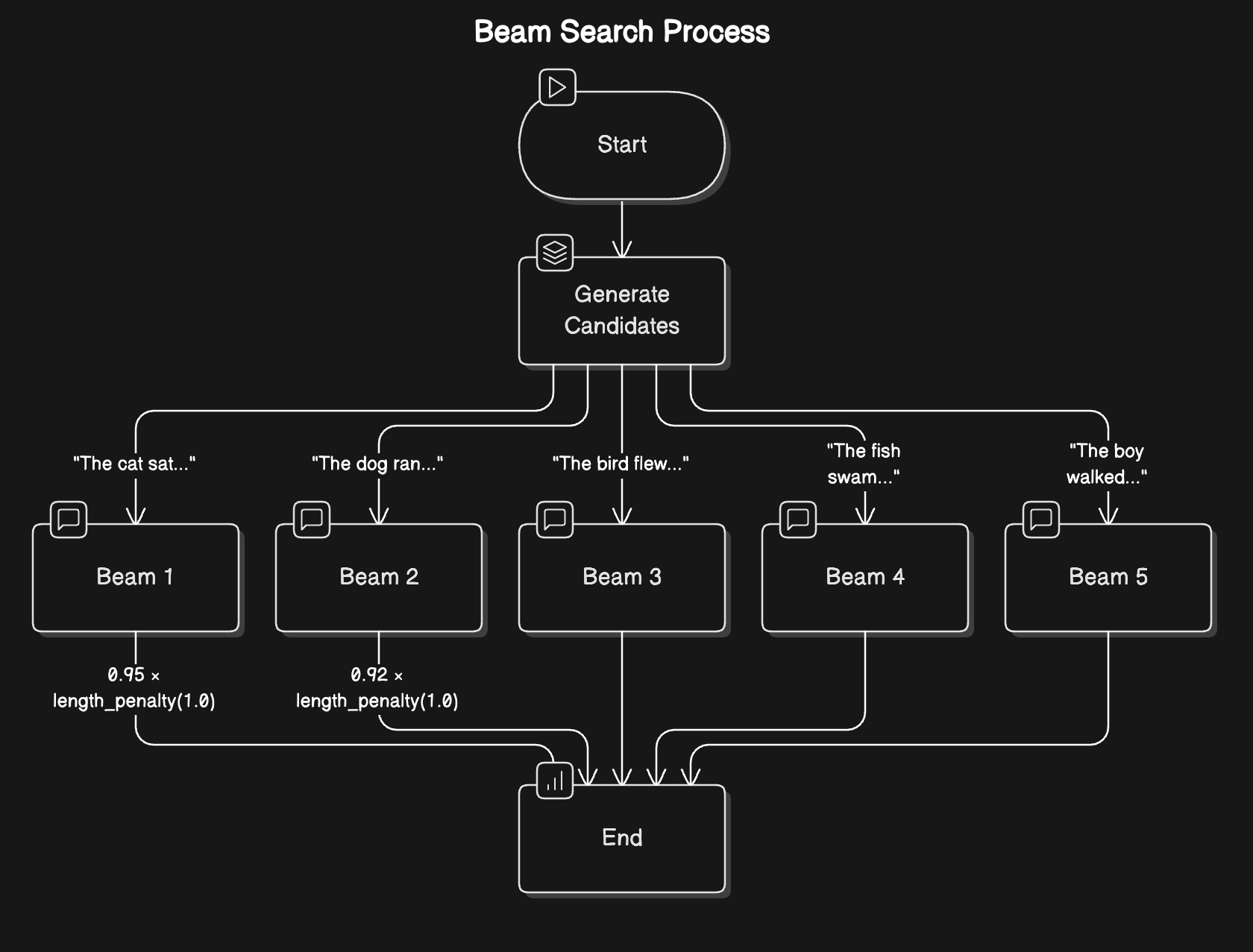
Best-first, A-star and Beam Search
Best-first, A* and beam search are the three practical ways to steer a search with a heuristic. Use them for path finding, planning and sequence decoding - A-star when an admissible heuristic is available, beam search when the frontier must stay small.
📐 Advanced Mathematics / random-process
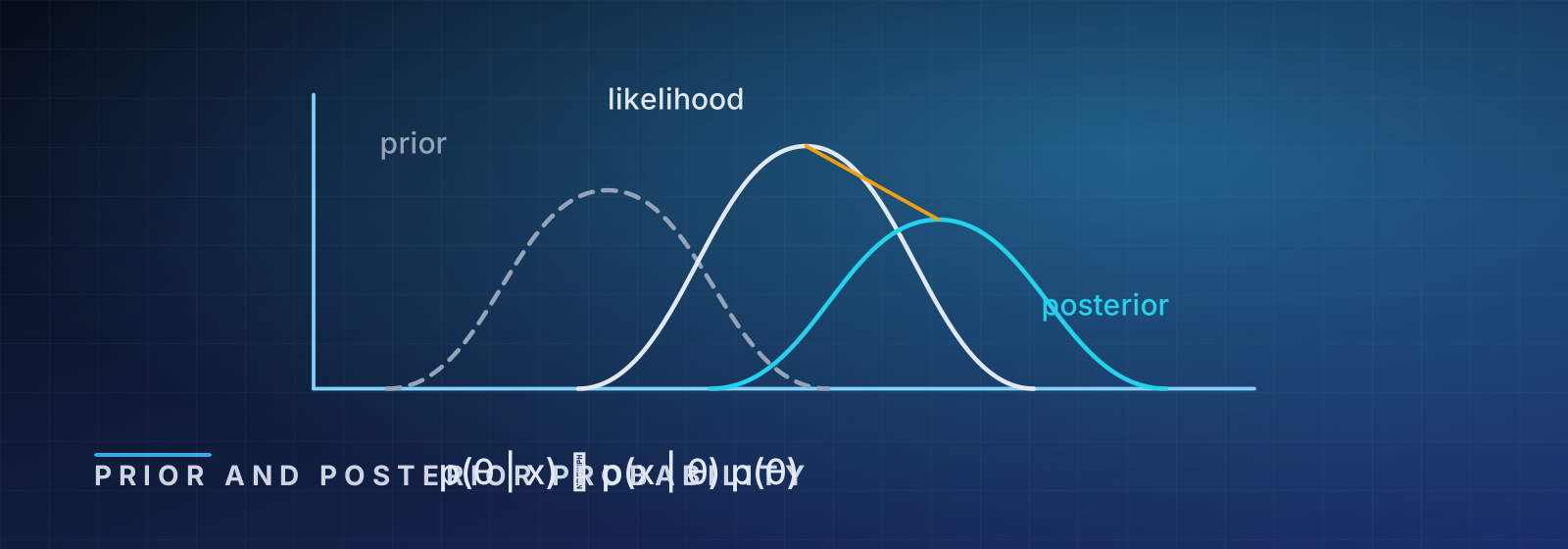
1. Summary for basics of probability theory-Prior and Posterior Probability
Prior, likelihood and posterior describe how a belief about a hidden parameter is updated by observed data. Use this summary as the reference for Bayes rule before moving on to sampling, Markov chains and variational inference.
Unclassified
LICENSE
Since this knowledge base is a collection of notes and arrangements for systematic knowledges, and most of contents are collected and summarized from the reference articles, I don't claim the copyright for the content that summarized or...